What is a Tempered Glass Door?
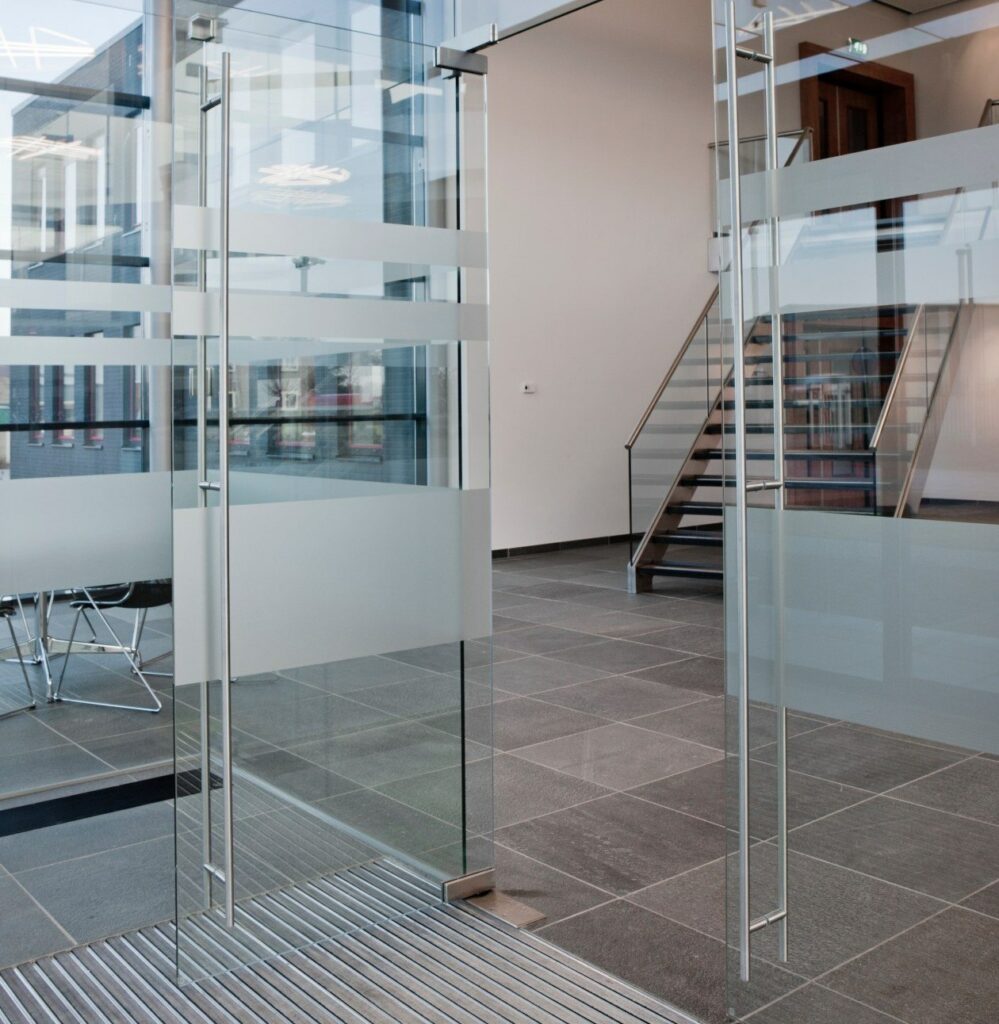
If you are considering an office glass door or an interior glass door for your home, you may have heard the term “tempered glass door” being used. Usually in conjunction with a list of impressive-sounding qualities and advantages over other types of glass. But what is a tempered glass door?
Simply put, a tempered glass door is a door made from tempered glass. A much tougher, safer form of glass which is ideal for construction and use in buildings. But why do we use tempered glass?
Tempered Glass
Tempered glass is a type of toughened glass made by the experts at The Glass Warehouse. Unlike ordinary (or “annealed”) glass, tempered glass is very resistant to stress and damage, being very difficult to break. However, if it does break, it won’t shatter into the jagged shards and sharp splinters typical of annealed glass. Instead, the unique tension patterns in tempered glass mean that it breaks into small, rounded or cube-shaped pieces. Without sharp edges or points, tempered glass is far less dangerous than other glass types and rightly qualifies it to bear the common name “safety glass.”
Tempered glass is made by heating glass to a certain level, then cooling it rapidly with jets of cold air. This causes the surface of the glass to cool at a different speed than the interior, causing differences in expansion and contraction. These differences result in the surface being placed under compression, and the interior being placed under tension. As glass is much stronger under compression than in any other situation, this means that any external force must exceed the force of the compression before it can damage the glass itself. Should that happen, the differential stress causes the tempered glass to shatter into its distinctive rounded pieces.
What Are Tempered Glass Doors Best Used For?
Thanks to their strength and safety profile, tempered glass doors are used across both commercial and residential settings, including:
- Office and commercial entrances, where a glass door needs to withstand constant daily traffic without wearing out
- Retail shopfronts and internal partitions, where clarity and presentation matter as much as durability
- Schools, leisure centres, and other public buildings, where high footfall and safety regulations make tempered glass a practical requirement rather than just a preference
If you’re specifying glass doors or glass partitions for a project, tempered glass is worth considering wherever the door will see frequent use or sits in a location where safety glazing is required.
Advantages of a Tempered Glass Door?
Tempered glass doors are ideal for use as office glass doors or interior glass doors in your home. Available in a range of styles to suit any requirements, with a versatility hard to match, popular for reasons including:
Versatility
Tempered glass doors can be made to any specification, and are an excellent choice for a range of interior glass door applications. Available in clear, tinted, low-iron glass and satin glass (sometimes called “frosted glass”), your interior glass door can be made to suit your needs – whether you need transparency, privacy or a combination of the two. Your glass door can even feature a design, logo or pattern, giving it that little bit more personalisation. Whatever you need, The Glass Warehouse can help you find the interior glass door of your dreams.
Durability
Tempered glass is much more durable than ordinary glass and can even outperform some wooden doors.
Hardy and difficult to damage, a tempered office glass door will resist wear and tear and is easy to maintain.
Style
It’s hard to beat the gorgeous, modern aesthetic of an interior glass door. Available in a range of glass types and with a variety of patterns and designs. These bespoke glass doors are perfect for making an area seem larger and more open. In turn letting more light pass through and create a lighter, more open environment. Clear glass doors allow vision across the office or into other rooms of the home, and don’t block visual communication. Satin glass can easily create more privacy for a meeting room or private office, without blocking too much light.
Safety
As mentioned before, a tempered glass door is a much safer option than a door made from any other type of glass. Highly resistant to damage, and with the trait of shattering into rounded pieces instead of jagged shards, a bespoke glass door made from safety glass is a much safer option than many other glass types can provide.
Durability vs Normal Glass Doors
Increased durability sounds good, but what does it mean in practice?
Generally, tempered glass is four to five times stronger than standard annealed glass of the same thickness, thanks to the compression created during the toughening process. This makes it far more resistant to impact, so a tempered glass door is much less likely to crack or shatter after knocks, slamming, or accidental impact.
The two also behave very differently when they do break – which can happen if exposed to enough force. Annealed glass will break into large, sharp shards, creating an injury risk, while tempered glass fractures into small, blunt granules, exactly why it’s referred to as safety glass.
Tempered glass also handles temperature changes much better than standard glass, something that is especially relevant near heat sources, conservatories, or sunrooms.
Regulations for Tempered Glass Doors
In the UK, glazing in doors is covered by Building Regulations Approved Document K, which sets out “critical locations” where safety glass must be used. This includes:
- Within the door itself
- In side panels within 300mm of the door edge, up to 1500mm high
- Any glazing below 800mm from floor level
Tempered (toughened) glass used in these locations should also be certified to BS EN 12150 and should carry a permanent mark confirming this, with manufacturer’s details. The Glass Warehouse tempered glass is manufactured to this standard, and our certificates and accreditations, including our Kitemark licence and CE Declaration of Conformity, are viewable for compliance and peace of mind.
If you’re specifying glass doors for a commercial project or renovation, it’s worth checking with your installer or Building Control that your chosen glass meets location requirements before you order.
How do you Maintain a Tempered Glass Door?
One of the advantages of a tempered glass door is that it’s genuinely low maintenance. A few simple habits will keep it looking its best:
- Clean with a standard glass cleaner and a soft, non-abrasive cloth, avoiding scouring pads or harsh abrasives that could scratch the surface.
- Wipe up spills and fingerprints promptly to prevent marks from building up, particularly on doors in high-traffic areas.
- Polish out light surface scratches as they appear, rather than purchasing a full replacement.
- Check hinges, handles, and any door furniture periodically to make sure they’re still fitted securely, since it’s the hardware, not the glass, that tends to need attention over time.
Because tempered glass can’t be cut, drilled, or altered after manufacture, any changes to size or fittings need to be specified upfront rather than adjusted later, so it’s worth double-checking measurements and hardware requirements before you order.
Get in Touch with The Glass Warehouse
If you would like more information on tempered glass doors, or you would like to request a quote or place an order for a bespoke glass door, you can get in touch with us at any time on 020 8500 1188.